
Intro to Concrete Additives: Enhancing Efficiency from Within
Concrete additives– also referred to as concrete admixtures– are chemical or mineral materials added in small quantities throughout the mixing phase to change the homes of fresh and solidified concrete. These ingredients play an important duty in modern building and construction by enhancing workability, increasing or slowing down setting time, improving resilience, and reducing ecological influence. As framework demands grow even more complicated, driven by urbanization and environment resilience needs, concrete additives have become vital tools for engineers and architects seeking lasting, high-performance building options.

(Concrete Addtives)
Classification and Practical Functions of Concrete Additives
Concrete ingredients are extensively categorized right into four categories: chemical admixtures, mineral admixtures, specialized additives, and useful admixtures. Chemical admixtures consist of water reducers, superplasticizers, retarders, accelerators, air-entraining agents, and corrosion preventions. Mineral admixtures such as fly ash, slag, silica fume, and metakaolin boost cementitious performance with pozzolanic reactions. Specialized ingredients like fibers, pigments, and shrinkage reducers supply customized enhancements for particular applications. With each other, these ingredients permit accurate control over concrete behavior, allowing enhanced mix layouts for diverse engineering environments.
Mechanisms Behind Improved Workability and Toughness
One of the most considerable payments of concrete ingredients is their capacity to improve workability without raising water content. Superplasticizers, particularly polycarboxylate ether (PCE)-based types, distribute concrete fragments at the molecular level, causing fluid yet stable mixes that can be pumped over cross countries or cast right into elaborate kinds. At the same time, ingredients like thickness modifiers and air-entraining agents improve cohesion and freeze-thaw resistance, specifically. In aggressive atmospheres, corrosion preventions shield ingrained steel support, extending life span and reducing lifecycle maintenance expenses.
Duty in Sustainable and Eco-friendly Concrete Growth
Concrete additives are essential ahead of time sustainability within the building market. By making it possible for using commercial results like fly ash and slag, they reduce reliance on Portland cement– a significant source of international carbon monoxide ₂ discharges. Water-reducing and superplasticizer additives facilitate the advancement of ultra-high-performance concrete (UHPC) with very little ecological impact. Carbon-capture admixtures and bio-based plasticizers further press the boundaries of environment-friendly building and construction products. With expanding governing pressure and environment-friendly structure qualification standards, ingredients are ending up being main to low-carbon concrete approaches worldwide.
Impact on Specialized Building And Construction Applications
In specialized building and construction areas, concrete ingredients enable efficiency degrees previously thought unattainable. Undersea concreting benefits from anti-washout admixtures that stop material loss in submerged problems. Passage linings and shotcrete rely on accelerators and fiber supports to accomplish fast strength gain and fracture resistance. Self-healing concrete formulations incorporate microcapsules or microorganisms that activate upon split development, offering independent repair mechanisms. In seismic zones, damping ingredients boost energy absorption and architectural durability. These innovations highlight just how additives prolong concrete’s applicability beyond conventional usages.
Technological Developments and Smart Admixture Solution
The concrete additive landscape is undergoing a change driven by nanotechnology, polymer scientific research, and digital integration. Nanoparticle-based additives such as nano-silica and graphene-enhanced admixtures refine pore structure and boost mechanical toughness. Responsive polymers and enveloped phase-change materials are being created to improve thermal policy and resilience. Meanwhile, clever admixtures equipped with sensing units or responsive release systems are emerging, enabling real-time tracking and adaptive behavior in concrete frameworks. These advancements indicate a change toward smart, performance-tuned building materials.
Market Characteristics and Global Industry Trends
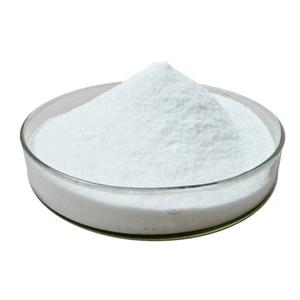
( Concrete Addtives)
The worldwide market for concrete ingredients is expanding rapidly, sustained by facilities investments in Asia-Pacific, The United States And Canada, and the Middle East. Need is also climbing because of the development of premade building and construction, 3D-printed structures, and modular housing. Principal are focusing on product diversification, local development, and conformity with progressing ecological regulations. Mergers and partnerships in between chemical providers and building tech companies are speeding up R&D initiatives. Additionally, digital platforms for admixture optimization and AI-driven formulation tools are gaining traction, improving precision in mix style and implementation.
Difficulties and Ecological Factors To Consider
Despite their benefits, concrete additives face obstacles pertaining to set you back, compatibility, and ecological influence. Some high-performance admixtures remain expensive, restricting their adoption in budget-constrained jobs. Compatibility problems in between different additives and cements can cause inconsistent performance or unintended side effects. From an environmental perspective, problems persist regarding the biodegradability of synthetic polymers and the prospective leaching of recurring chemicals right into groundwater. Addressing these issues requires continued development in environment-friendly chemistry and lifecycle analysis of admixture systems.
The Roadway Ahead: Combination with Digital and Round Building Designs
Looking onward, concrete additives will play a vital role fit the future of building and construction through combination with electronic innovations and round economic situation principles. IoT-enabled giving systems and BIM-integrated admixture monitoring platforms will optimize dosing precision and resource efficiency. Bio-based, recyclable, and carbon-negative ingredients will line up with net-zero goals throughout the constructed atmosphere. Furthermore, the convergence of additive innovation with robotics, AI, and progressed manufacturing methods will open brand-new frontiers in lasting, high-performance concrete building and construction.
Vendor
Concrete additives can improve the working performance of concrete, improve mechanical properties, adjust setting time, improve durability and save materials and costs.
Cabr-concrete is a supplier of foaming agents and other concrete additives, which is concrete and relative products with over 12 years experience in nano-building energy conservation and nanotechnology development. It accepts payment via Credit Card, T/T, West Union and Paypal. Trunnano will ship the goods to customers overseas through FedEx, DHL, by air, or by sea. If you are looking for high quality air entrained agent, please feel free to contact us and send an inquiry. (sales@cabr-concrete.com).
Tags: concrete, concrete addtives, foaming agents
All articles and pictures are from the Internet. If there are any copyright issues, please contact us in time to delete.
Inquiry us
Error: Contact form not found.