
Introduction to Copper Bar: An Ageless Product Powering Modern Industry
Copper bar, among the most fundamental and widely used kinds of copper, remains vital throughout electric, mechanical, and commercial markets. Understood for its remarkable electric conductivity, thermal performance, and mechanical toughness, copper bar works as a vital component in power transmission systems, busbars, motor windings, and hefty equipment manufacturing. As worldwide electrification accelerates and renewable energy systems expand, the demand for top quality copper bars is rising, reinforcing their condition as a vital building block of modern infrastructure.
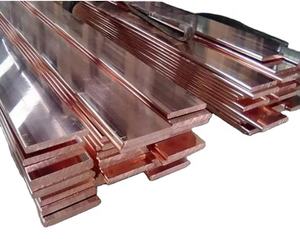
(Copper Bar)
Physical and Mechanical Characteristics of Copper Bar
Copper bar is treasured for its mix of high electrical conductivity– second just to silver among metals– and excellent thermal transmission residential or commercial properties. It also shows great ductility, malleability, and resistance to corrosion, making it ideal for both interior and exterior applications. With a melting point of around 1085 ° C and reduced reactivity under typical environmental conditions, copper keeps structural stability over long solution lifespans. These features make it possible for copper bars to do accurately in high-current environments such as substations, switchgear, and electric automobile billing stations.
Manufacturing Processes and Material Specifications
The production of copper bar commonly involves warm rolling, extrusion, or continuous spreading adhered to by machining into common forms consisting of rectangular, square, and round profiles. High-purity copper (commonly OFHC– Oxygen-Free High-Conductivity Copper) is chosen to make sure very little resistivity and optimum efficiency. International requirements such as ASTM B187, EN 13600, and ISO 431 regulate the composition, dimensions, and testing procedures for copper bars used in electric and industrial applications. Advanced manufacture methods, consisting of laser cutting and CNC machining, further boost precision and integration into intricate settings up.
Key Applications in Electrical Facilities
Copper bars are foundational in electric engineering, specifically as busbars that distribute power within switchboards, control panels, and distribution systems. Their capacity to lug huge currents with minimal losses makes them perfect for use in transformers, circuit breakers, and industrial motor beginners. In information facilities and wise grids, copper bars sustain efficient power shipment and lots harmonizing. Renewable resource installments, such as solar inverters and wind generator generators, also depend heavily on copper bars to take care of fluctuating loads and maintain system security.
Duty in Transportation and Amazed Movement
As the transportation field goes through quick electrification, copper bars have actually come to be essential to the advancement of electrical lorries (EVs), rail systems, and crossbreed propulsion devices. In EVs, copper bars form component of the stator windings, battery interconnects, and onboard charging systems. Trains and cities make use of copper busbars for grip control and regenerative braking circuits. The increasing fostering of high-speed rail and city transportation networks better amplifies the need for sturdy, high-conductivity copper parts efficient in operating under vibrant and high-load problems.
Usage in Industrial Machinery and Heavy Equipment
Beyond electric systems, copper bars find extensive use in commercial equipment where their machinability, put on resistance, and compatibility with various other materials are highly valued. They serve as conductive aspects in welding devices, creating devices, and electroplating cells. In foundries and metal processing plants, copper bars are made use of in induction heating coils and cooling systems as a result of their capability to hold up against repeated thermal biking without deterioration. Their duty in automation systems, robotics, and factory electrification underscores their adaptability beyond traditional power applications.
Market Trends and Need Motorists in a Decarbonizing Globe
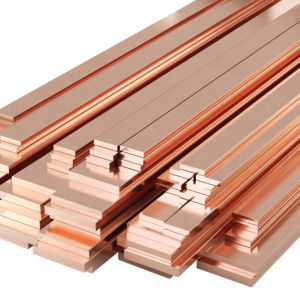
( Copper Bar)
Worldwide demand for copper bars is proliferating, driven by development in renewable resource, electrical movement, and digital infrastructure. Federal governments worldwide are investing in grid modernization and promoting electrification plans, every one of which rely on trustworthy copper-based services. The shift towards environment-friendly modern technologies, consisting of hydrogen electrolysis and carbon capture systems, is additionally enhancing reliance on copper’s conductive abilities. Nonetheless, supply chain restraints, resources costs, and geopolitical factors position difficulties to regular accessibility and prices stability in the copper market.
Sustainability and Recycling: The Round Prospective of Copper Bar
Copper is among one of the most recyclable commercial metals, with recycled copper preserving almost all of its original buildings. This makes copper bars not just financially sensible however additionally ecologically sustainable. Reusing efforts in construction, electronic devices, and auto industries help reduce mining dependence and lower the carbon footprint associated with key copper removal. Makers are significantly taking on closed-loop recycling systems and discovering alloy modifications to improve performance while sustaining round economy principles.
Future Outlook: Developments and Integration in Next-Generation Equipment
Looking in advance, copper bars will certainly continue to advance alongside developments in materials science and electrical design. Research study into nanostructured copper, composite alloys, and surface treatments aims to enhance conductivity, minimize weight, and enhance thermal monitoring. Assimilation with clever sensing units and IoT-enabled tracking systems will certainly permit real-time condition evaluation and predictive maintenance in power facilities. As culture moves toward full electrification and decarbonization, copper bars will certainly Vendor
TRUNNANO is a supplier of Concrete PCE Powder with over 12 years experience in nano-building energy conservation and nanotechnology development. It accepts payment via Credit Card, T/T, West Union and Paypal. Trunnano will ship the goods to customers overseas through FedEx, DHL, by air, or by sea. If you want to know more about tinned copper earth bar, please feel free to contact us and send an inquiry.
Tags: copper bar, copper ingot, copper bus bar
All articles and pictures are from the Internet. If there are any copyright issues, please contact us in time to delete.
Inquiry us
Error: Contact form not found.