
Introduction to Polypropylene Fiber: A Game-Changer in Cementitious Composites
Polypropylene fiber has actually emerged as a transformative additive in concrete innovation, providing remarkable split control, influence resistance, and toughness without jeopardizing workability or cost-efficiency. As building needs change toward sustainability, durability, and performance optimization, polypropylene fibers– synthetic, polymer-based filaments– are being progressively integrated into cementitious systems to enhance mechanical buildings at both the micro and macro degrees. Their extensive adoption mirrors a more comprehensive industry pattern towards sophisticated composite materials that enhance architectural long life while reducing maintenance and lifecycle prices.
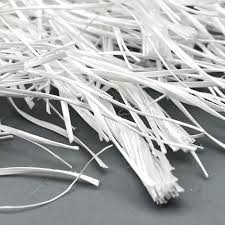
(Polypropylene (PP) Fibers)
Structure and Physical Characteristics
Polypropylene fiber is derived from thermoplastic polyolefin polymers, recognized for their high chemical resistance, reduced thickness (0.91 g/cm TWO), and hydrophobic nature. These fibers generally vary from 6 mm to 50 mm in size and 10– 50 microns in diameter, with surface appearances crafted to improve bonding within the concrete matrix. Unlike steel fibers, polypropylene fibers do not wear away, making them optimal for settings subjected to dampness, chlorides, or hostile chemicals. Their melting point (~ 160 ° C) and relatively low modulus of elasticity enable thermal security and flexibility in vibrant packing conditions. These qualities make them especially reliable in controlling plastic shrinkage breaking throughout the onset of concrete solidifying.
Systems of Crack Control and Longevity Improvement
When evenly distributed throughout the concrete mix, polypropylene fibers work as micro-reinforcement representatives by bridging microcracks that develop during hydration and early-age shrinkage. This mechanism dramatically decreases the size and proliferation of splits, improving the material’s tensile stamina and power absorption ability. Additionally, the existence of fibers impedes the ingress of water, chlorides, and sulfates, thereby enhancing resistance to freeze-thaw cycles, deterioration, and chemical assault. In fireproof applications, polypropylene fibers play a crucial role by developing microchannels during high-temperature direct exposure, permitting vapor pressure to run away and lessening explosive spalling in structural concrete elements.
Applications Across Civil Design and Facilities Projects
Polypropylene fiber-reinforced concrete (PFRC) is currently extensively used across varied building and construction fields. In tunnel linings and underground structures, it boosts fire resistance and durability under cyclic loading. In industrial flooring and sidewalks, PFRC boosts abrasion resistance and load-bearing ability while reducing the demand for traditional mesh support. Marine and seaside facilities benefit from its rust resistance in saline settings. Additionally, polypropylene fibers are essential to shotcrete applications in incline stablizing and mining because of their capability to improve cohesion and decrease rebound. Their compatibility with automated pumping and splashing systems better supports effectiveness in massive operations.
Relative Advantages Over Typical Reinforcement Methods
Compared to standard steel reinforcement or artificial choices like glass or carbon fibers, polypropylene fibers provide distinct advantages. They are light-weight, non-corrosive, and chemically inert, eliminating problems connected to corrosion discoloration or degradation over time. Their convenience of mixing and diffusion makes sure regular efficiency without calling for customized tools or labor-intensive placement methods. From an economic viewpoint, polypropylene fibers provide economical reinforcement remedies that reduced product usage, decrease maintenance frequency, and prolong service life. Additionally, their environmental neutrality and recyclability line up with green structure standards and circular economic climate concepts.
Developments Driving Next-Generation Polypropylene Fiber Technologies
Continuous research and development initiatives are pushing the borders of polypropylene fiber performance. Surface modification methods– including plasma therapy, implanting, and nano-coating– are being explored to improve interfacial bonding in between the fiber and concrete matrix. Crossbreed solutions incorporating nano-silica or bio-based polymers aim to enhance mechanical efficiency and sustainability. Functionalized fibers with antimicrobial or self-healing buildings are additionally under development to address microbial-induced destruction and autogenous fracture repair in concrete frameworks. Meanwhile, clever polypropylene fibers embedded with sensing capabilities are being checked for real-time structural health surveillance, signifying a new age of intelligent building and construction materials.
Environmental Effect and Sustainability Considerations
( Polypropylene (PP) Fibers)
While polypropylene is originated from petroleum-based feedstocks, advancements in polymer chemistry and recycling technologies are alleviating its environmental footprint. Some manufacturers are presenting bio-based polypropylene versions sourced from sustainable feedstocks, minimizing reliance on nonrenewable fuel sources. Recyclable fiber-reinforced concrete compounds are likewise getting grip, especially in demolition and renovation jobs where reclaimed materials can be rehabilitated right into brand-new blends. Life-cycle analyses show that the long-lasting longevity advantages of polypropylene fiber outweigh first production exhausts, positioning it as a net-positive factor to lasting construction when utilized responsibly and efficiently.
Market Patterns and Worldwide Industry Growth
The global market for polypropylene fiber in building is experiencing steady growth, driven by rising demand for long lasting, low-maintenance facilities across Asia-Pacific, The United States And Canada, and Europe. Governments and personal developers are progressively adopting fiber-reinforced concrete in transport networks, metropolitan drainage systems, and disaster-resilient housing. Technological collaborations in between polymer producers and building firms are speeding up product development and application-specific modification. Digital tools such as AI-driven dose optimization and BIM-integrated design are additional boosting the accuracy and performance of polypropylene fiber applications. As regulatory frameworks emphasize carbon reduction and source efficiency, polypropylene fiber is positioned to become a common element in next-generation concrete requirements.
Future Expectation: Combination with Smart and Eco-friendly Structure Equipment
Looking ahead, polypropylene fiber is readied to develop together with emerging fads in wise infrastructure and sustainable construction. Assimilation with Web of Points (IoT)-enabled tracking systems will certainly enable real-time feedback on architectural integrity and fiber performance. Breakthroughs in naturally degradable polymers might cause fully decomposable fiber variants suitable for momentary structures or ecologically delicate sites. The convergence of polypropylene fiber technology with 3D printing, modular construction, and AI-assisted product modeling will unlock brand-new design opportunities and performance benchmarks. As the developed atmosphere deals with boosting climate and functional difficulties, polypropylene fiber stands out as a versatile, resilient, and progressive solution for strengthening the foundations of modern human being.
Provider
Cabr-Concrete is a supplier of Concrete Admixture under TRUNNANO with over 12 years of experience in nano-building energy conservation and nanotechnology development. It accepts payment via Credit Card, T/T, West Union and Paypal. TRUNNANO will ship the goods to customers overseas through FedEx, DHL, by air, or by sea. If you are looking for high quality polypropylene fibers for plaster, please feel free to contact us and send an inquiry(sales5@nanotrun.com).
Tags: polypropylene fiber, pp fibre, polypropylene fibers for concrete
All articles and pictures are from the Internet. If there are any copyright issues, please contact us in time to delete.
Inquiry us
Error: Contact form not found.