
Introduction to Concrete Foaming Brokers: Enabling the Surge of Lightweight, Energy-saving Concrete Equipment
Concrete foaming representatives have actually emerged as a transformative part in modern building and construction, allowing the manufacturing of light-weight oxygenated concrete with boosted thermal insulation, minimized structural load, and boosted workability. These specialized surfactants produce stable air bubbles within the concrete matrix, resulting in products that combine strength with reduced thickness. As urbanization accelerates and sustainability becomes a core top priority in building layout, frothed concrete is gaining traction across property, business, and facilities jobs for its versatility and ecological benefits.
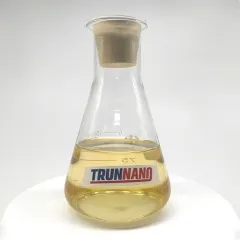
(Concrete foaming agent)
Chemical Structure and Mechanism of Activity
Concrete lathering representatives are usually based upon protein hydrolysates, synthetic surfactants, or crossbreed formulations created to stabilize air bubbles throughout mixing and healing. When presented into the concrete slurry, these representatives lower surface stress and facilitate the development of uniform, fine-cell foam structures. The stability of the foam is important– inadequately maintained bubbles can integrate or collapse, resulting in unequal density and endangered mechanical properties. Advanced frothing agents currently include nano-additives and rheology modifiers to boost bubble retention, flowability, and early-age strength advancement in foamed concrete systems.
Production Process and Foam Security Considerations
The manufacturing of foamed concrete involves two primary techniques: pre-foaming and blended lathering. In pre-foaming, air is produced individually using a foaming machine before being combined into the cementitious mix. Mixed foaming presents the foaming representative directly into the mixer, creating bubbles in situ. Both methods call for precise control over foam generation, dosage rates, and mixing time to make certain ideal efficiency. Factors such as water-to-cement proportion, ambient temperature, and concrete reactivity dramatically affect foam security, triggering ongoing research right into adaptive lathering systems that preserve consistency under differing problems.
Mechanical and Thermal Characteristics of Foamed Concrete
Frothed concrete displays a special combination of mechanical and thermal characteristics that make it ideal for applications where weight decrease and insulation are crucial. Its compressive strength ranges from 0.5 MPa to over 10 MPa depending upon thickness (typically in between 300 kg/m three and 1600 kg/m three). The visibility of entrapped air cells drastically improves thermal insulation, with thermal conductivity values as low as 0.08 W/m · K, equaling standard insulating materials like broadened polystyrene. Furthermore, lathered concrete offers fire resistance, acoustic damping, and dampness policy, making it appropriate for both structural and non-structural elements in energy-efficient buildings.
Applications Throughout Residential, Commercial, and Infrastructure Sectors
Frothed concrete has actually discovered extensive usage in floor screeds, roofing insulation, void filling, and prefabricated panels due to its self-leveling nature and convenience of positioning. In property building, it serves as an efficient thermal barrier in wall surfaces and structures, contributing to passive power cost savings. Business developers make use of foamed concrete for elevated accessibility floorings and insulated dividings. Infrastructure applications include trench backfilling, train trackbeds, and bridge joints, where its reduced weight decreases planet pressure and settlement risks. With expanding focus on eco-friendly building certifications, lathered concrete is significantly considered as a lasting choice to standard dense concrete.
Environmental Advantages and Life Process Analysis
One of one of the most compelling advantages of foamed concrete lies in its lower carbon impact contrasted to conventional concrete. Lower material usage, reduced transport prices as a result of lighter weight, and enhanced insulation performance all contribute to decrease lifecycle exhausts. Lots of frothing representatives are stemmed from renewable or naturally degradable resources, further sustaining environment-friendly construction methods. Research studies have shown that changing basic concrete with foamed options in non-load-bearing applications can cut embodied carbon by up to 40%. As regulatory frameworks tighten up around discharges and resource performance, frothed concrete stands apart as a crucial enabler of lasting city development.
Challenges and Limitations in Practical Deployment
( Concrete foaming agent)
Despite its numerous advantages, frothed concrete faces a number of difficulties that restriction its fostering in conventional construction. Issues such as drying contraction, postponed setting times, and level of sensitivity to improper blending can compromise performance otherwise thoroughly handled. Surface area completing may additionally be extra intricate due to the permeable structure, needing specialized finishes or garnishes. From a supply chain viewpoint, schedule and price of high-performance frothing representatives continue to be obstacles in some regions. In addition, long-term longevity under severe climatic conditions is still being examined with area tests and sped up aging examinations. Addressing these limitations requires continued technology in solution chemistry and construction methodology.
Technologies and Future Instructions in Frothing Representative Advancement
Research is actively advancing towards next-generation lathering agents that use premium performance, more comprehensive compatibility, and improved environmental qualifications. Advancements consist of bio-based surfactants, enzyme-modified healthy proteins, and nanotechnology-enhanced foams that boost mechanical toughness without giving up insulation residential or commercial properties. Smart lathering systems with the ability of adapting to real-time mixing problems are being explored, along with integration into electronic building and construction systems for automated dosing and quality control. As additive production push on in building, frothed concrete formulations suitable with 3D printing are also emerging, opening brand-new frontiers for building creativity and useful layout.
Supplier
Cabr-Concrete is a supplier under TRUNNANO of Concrete Admixture with over 12 years of experience in nano-building energy conservation and nanotechnology development. It accepts payment via Credit Card, T/T, West Union and Paypal. TRUNNANO will ship the goods to customers overseas through FedEx, DHL, by air, or by sea. If you are looking for Concrete foaming agent, please feel free to contact us and send an inquiry. (sales@cabr-concrete.com)
Tags: concrete foaming agent,concrete foaming agent price,foaming agent for concrete
All articles and pictures are from the Internet. If there are any copyright issues, please contact us in time to delete.
Inquiry us
Error: Contact form not found.